November 20, 2026
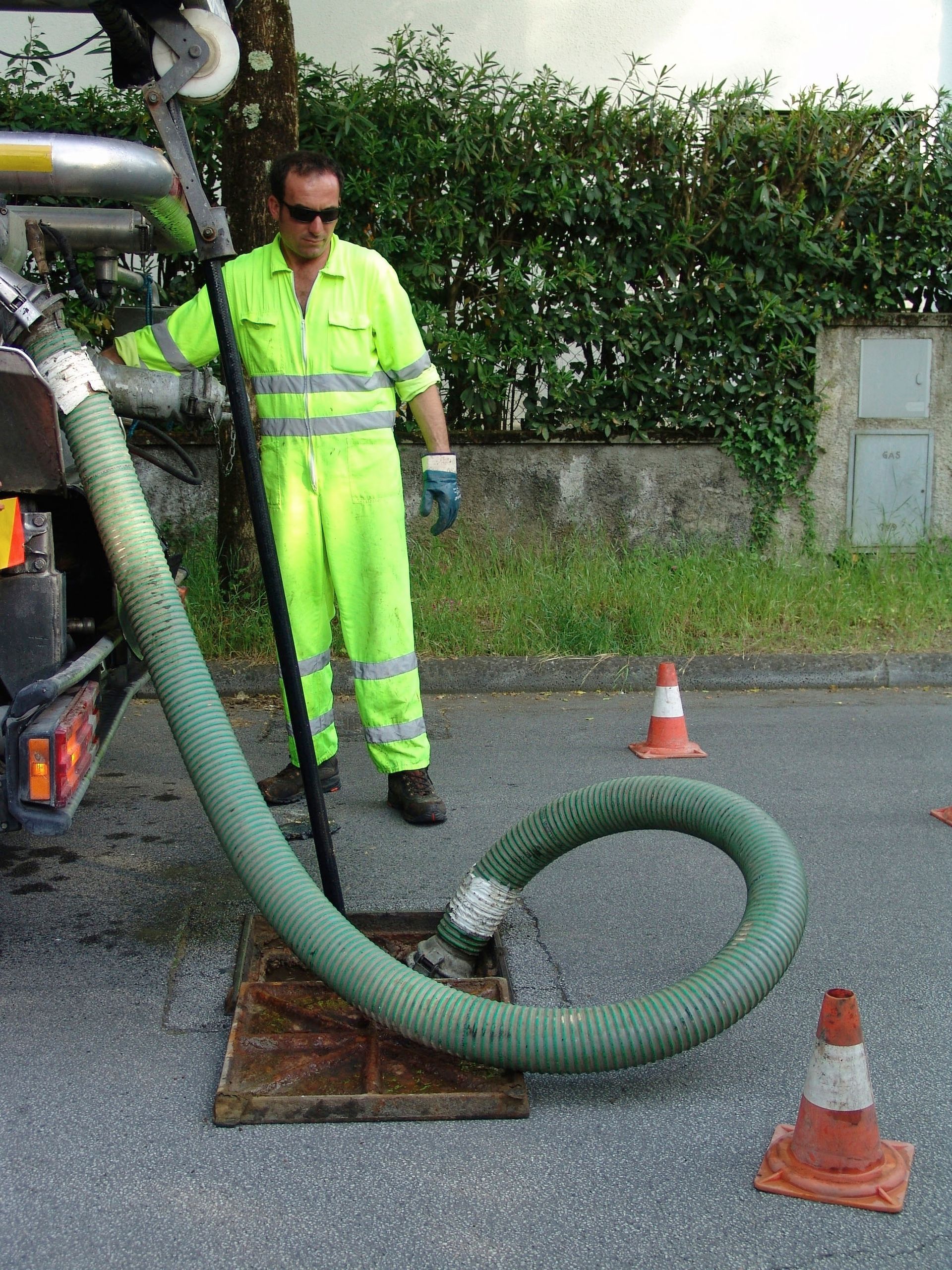
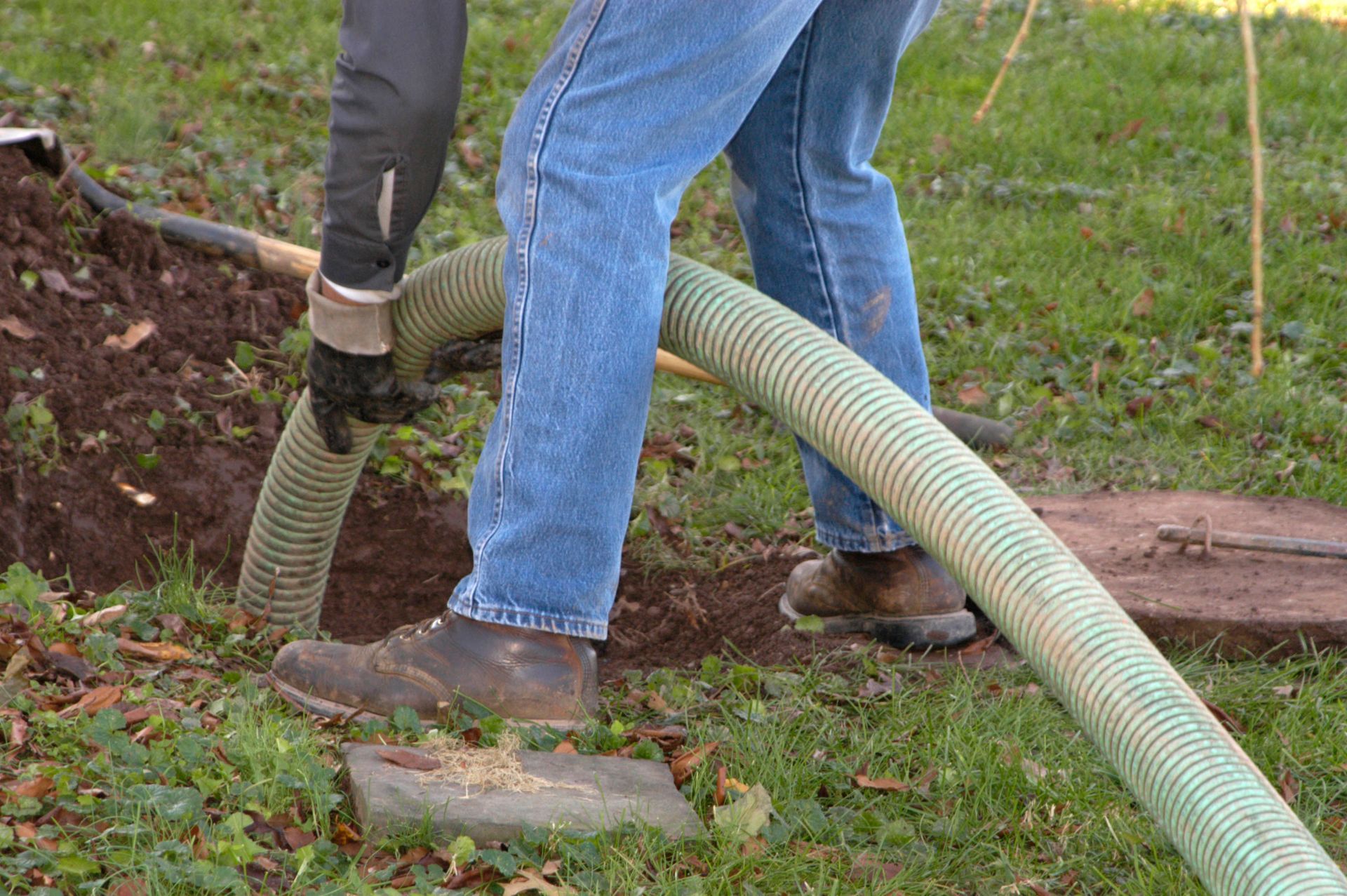
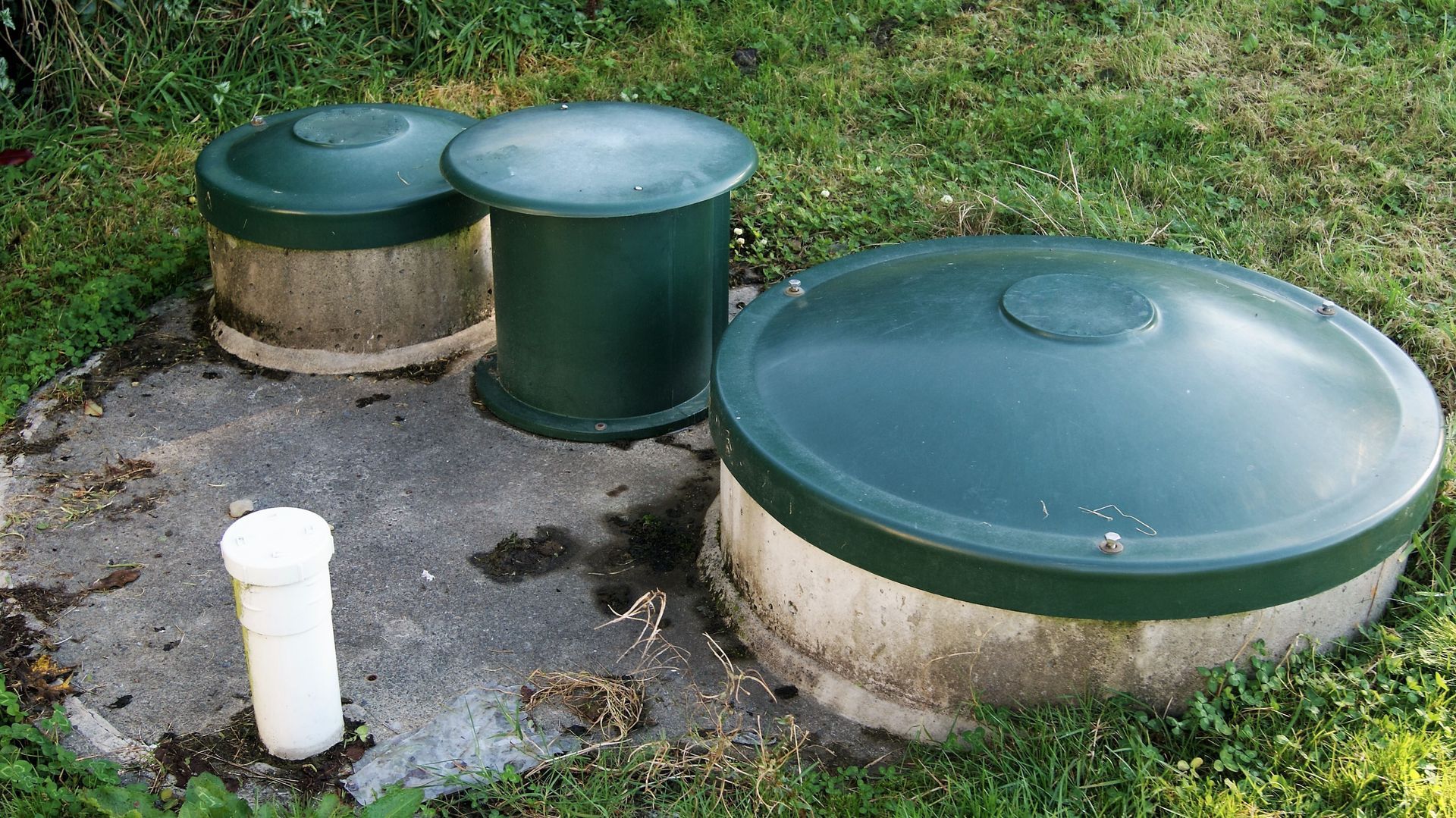
Understanding when your septic system requires maintenance is crucial to preserving a healthy, functional, and safe environment. Routine care helps you avoid plumbing malfunctions, property damage, and sanitation hazards caused by a neglected tank. Because septic systems operate out of sight, homeowners often feel unsure about when to schedule professional inspection and waste removal. Recognizing the early warning signs of a full or failing tank saves you from emergencies and expensive repairs. Paying close attention inside your house and across your yard helps you schedule timely septic pumping before minor issues escalate into major failures.
1. Detecting Unpleasant Odors Around Your Home
Foul, sewage-like odors around your property are one of the most noticeable signs of septic trouble. These smells typically indicate that the septic tank has reached capacity and trapped gases are escaping through plumbing vents, drains, or the soil above your drain field. Ignoring these odors leads to worsening system inefficiency and declining indoor air quality. Detecting foul smells early allows you to address tank buildup promptly and prevent costly repairs.
Sewage odors create an uncomfortable and hazardous indoor environment for your family. Gases seep upward through household drains, lingering in bathrooms and basements while circulating through heating and cooling ducts. Exposure to these fumes can irritate household members with asthma, allergies, or respiratory sensitivities. Resolving odor issues promptly keeps your indoor air fresh and protects everyone at home.
Odor problems in septic systems frequently stem from an imbalance in the tank's bacterial ecosystem. When solid waste accumulates excessively, or a blockage restricts flow, beneficial bacteria cannot break down organic matter efficiently, producing hydrogen sulfide and methane gases. According to This Old House, a septic service professional should pump your tank every two to three years. Sticking to a consistent maintenance schedule restores bacterial balance, eliminates foul smells, and keeps your wastewater system operating reliably.
2. Experiencing Slow Drains Across Multiple Fixtures
Slow drains are often more than a minor inconvenience; they frequently signal a full septic tank. While isolated clogs in a single sink or shower are common, consistently sluggish drainage across multiple fixtures points toward a systemic bottleneck. Many homeowners reach for harsh chemical drain cleaners as a quick fix, yet those products worsen the problem by killing essential bacteria inside your tank. When toilets, tubs, and sinks drain slowly at once, your septic system likely needs immediate attention.
Differentiating between a localized pipe blockage and a septic tank issue is essential when troubleshooting sluggish plumbing. If plungers and drain snakes fail to restore normal flow, the obstruction is likely occurring further down the line or inside the tank itself. Persistent drainage delays throughout the house indicate that wastewater has nowhere left to go because the tank is nearing capacity. Waiting too long to call a technician can turn manageable slow drains into a system shutdown.
Preventing sluggish drainage from evolving into a major plumbing failure requires smart daily habits alongside routine professional care. Avoid flushing wipes, hygiene products, grease, or harsh chemicals that disrupt waste breakdown and accelerate sludge buildup. Scheduling regular septic pumping and inspections clears out accumulated solids before they restrict wastewater flow. Proactive maintenance protects your pipes, minimizes disruptions, and extends the lifespan of your septic installation.
3. Noticing Standing Water and Lush Grass in the Yard
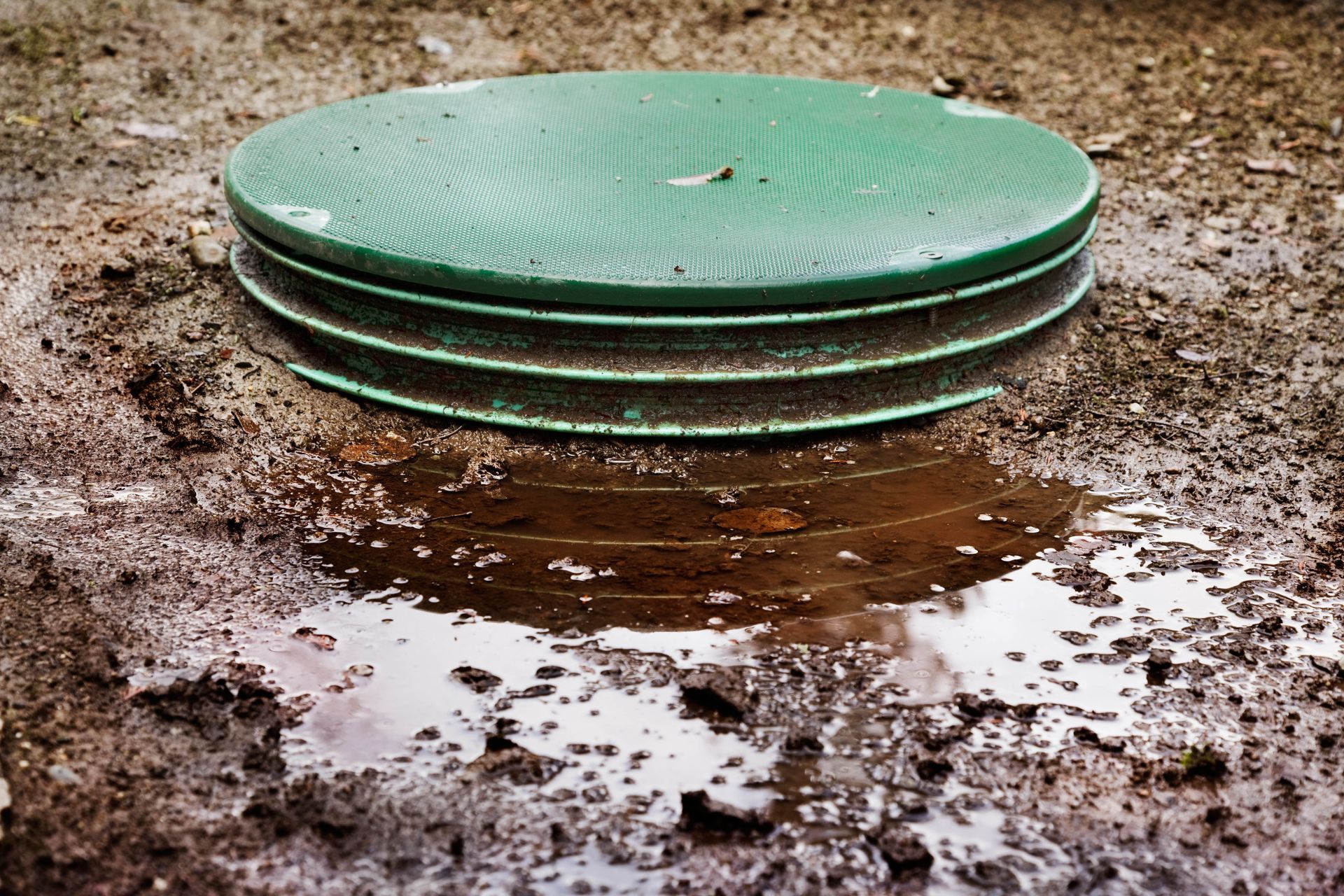
Finding unexplained standing water, soggy soil, or unusually lush patches of green grass in your yard often signals a compromised septic system. Pooling water near the drain field happens when a full tank or clogged pipe forces excess wastewater upward instead of letting it filter safely into the ground. Simultaneously, leaking sewage acts as a concentrated fertilizer, causing grass above the tank and drain lines to grow noticeably thicker and greener than the surrounding lawn. Recognizing these outdoor clues early helps you intervene before saturation ruins your landscaping.
Stagnant wastewater and nutrient overload create serious health and environmental hazards. Standing water quickly becomes a breeding ground for harmful bacteria, parasites, and disease-carrying mosquitoes, putting children, pets, and wildlife at risk. Meanwhile, excessive nutrients seeping from a failing tank disrupt soil chemistry and can contaminate nearby streams or neighboring yards. Addressing soggy spots and abnormal grass growth promptly safeguards your family's health while preserving local soil and water quality.
Pinpointing the exact cause of yard saturation ensures that you apply the right solution without delay. A qualified technician can rule out non-septic culprits such as broken sprinkler lines, poor grading, or seasonal runoff. Once a technician confirms that your tank or drain field is overloaded, targeted septic pumping and system adjustments relieve pressure and restore underground absorption. Routine visual checks of your lawn make it easier to catch these warning signs before drain field damage occurs.
4. Finding High Nitrate Levels in Well Water
Elevated nitrate levels in your private well water strongly suggest that a failing or overdue septic system is contaminating your groundwater supply. When an overloaded tank leaks untreated wastewater into surrounding soil, nitrates and harmful bacteria migrate downward into nearby aquifers. Because nitrates are colorless, odorless, and tasteless, laboratory testing is the only reliable way to detect contamination early. Scheduling annual water quality checks protects your household from unknowingly consuming compromised drinking water.
Understanding nitrate pollution health risks highlights why rapid action is critical when test results exceed safe thresholds. High nitrate concentrations in drinking water pose severe health threats, particularly for pregnant women and infants, who face the risk of methemoglobinemia, commonly known as blue baby syndrome. Keeping your septic tank maintained prevents wastewater overflow and stops contaminants from leaching into your well. Fast intervention preserves safe tap water and protects your household's health.
When water tests reveal elevated nitrates, coordinating repairs and routine tank care is essential for restoring water safety. A septic specialist can inspect tank baffles, seal leaks, and evaluate whether your drain field filters effluent properly. Combining repairs with regular tank cleanouts prevents solid waste buildup from pushing untreated wastewater into groundwater. Working with experienced professionals gives you a dependable strategy for protecting your well water and property.
5. Dealing With Frequent Plumbing System Backups
Frequent sewage backups are an urgent indicator of an overloaded or malfunctioning septic system. When solid sludge fills too much of the tank or blocks the outlet pipe, wastewater backs up through your lowest drains, including basement floor drains, ground-floor toilets, and showers. Recurring backups create immediate sanitation emergencies and cause water damage to flooring, drywall, and belongings. Consulting a specialist at the first backup prevents plumbing trouble from turning into an unlivable mess.
Taking immediate emergency steps during a backup helps limit property damage and reduce exposure to pathogens. As soon as wastewater begins backing up, stop running water, avoid flushing toilets, and keep family members and pets away from affected fixtures. Ventilate the area and arrange for professional sanitization if raw sewage spills onto floors. Contacting a septic technician right away ensures that the blockage is cleared safely.
Long-term protection against recurring backups depends on resolving capacity issues and committing to scheduled maintenance. For growing households whose water usage exceeds their existing system's limits, upgrading to a larger septic tank may be necessary. For most homes, however, routine septic pumping and periodic inspections keep sludge levels below critical thresholds. Investing in preventative care saves thousands in restoration costs and keeps your plumbing running smoothly.
Recognizing the warning signs of a full or struggling septic tank empowers you to prevent expensive repairs, property damage, and health hazards. Staying alert to unpleasant odors, slow drains, standing water or lush grass, elevated well water nitrates, and frequent backups ensures you never miss a maintenance window. Combining smart water habits with scheduled professional care keeps your wastewater system operating safely for decades. For more information about the services that we offer, reach out to our incredible team at Abracadabra Septic Pumping today!