September 21, 2026
In many regions, especially rural and semi-rural areas, septic systems serve as an essential means of wastewater management. Understanding the intricacies of these systems is vital for homeowners seeking to maintain optimal home and environmental health. This article sets the stage to discern the differences between septic pumping and septic cleaning, both of which are crucial maintenance practices.
Septic systems, unlike centralized sewer systems that service about 86.1% of U.S. residents according to Statista, require dedicated attention from individual property owners. These systems carry a substantial responsibility, and improper maintenance can lead to severe property and health issues. Recognizing the maintenance needs of septic systems is the first step towards ensuring their longevity and efficiency.
The distinction between septic pumping and septic cleaning is often misunderstood. While both processes aim to manage waste build-up, they vary significantly in approach and result. By exploring these differences, homeowners can make informed decisions on how best to maintain their septic systems.
Understanding Septic Systems
The Role of Septic Systems
Septic systems play a critical role in safely treating and disposing of household wastewater not connected to centralized sewer systems. They are vital for reducing environmental pollution and preventing the spread of disease. By processing household waste, they transform potentially harmful substances into relatively harmless byproducts. These systems are eco-friendly solutions to managing water waste, especially in underserved areas.
Septic tanks are buried underground and work as primary treatment units that digest organic matter. They separate floatable material and solids from the wastewater, enabling cleaner water to trickle into drain fields. This lowers the environmental footprint of each household, allowing for a symbiotic relationship between residential life and nature.
Olsten, 13, states that septic tanks are integral for roughly 14% of the U.S. population, with their effectiveness being reliant on regular maintenance. Understanding these dynamics helps homeowners appreciate their systems’ importance. Acknowledging their function is the first step in identifying appropriate maintenance methods, like septic pumping and cleaning.
Components of a Septic System
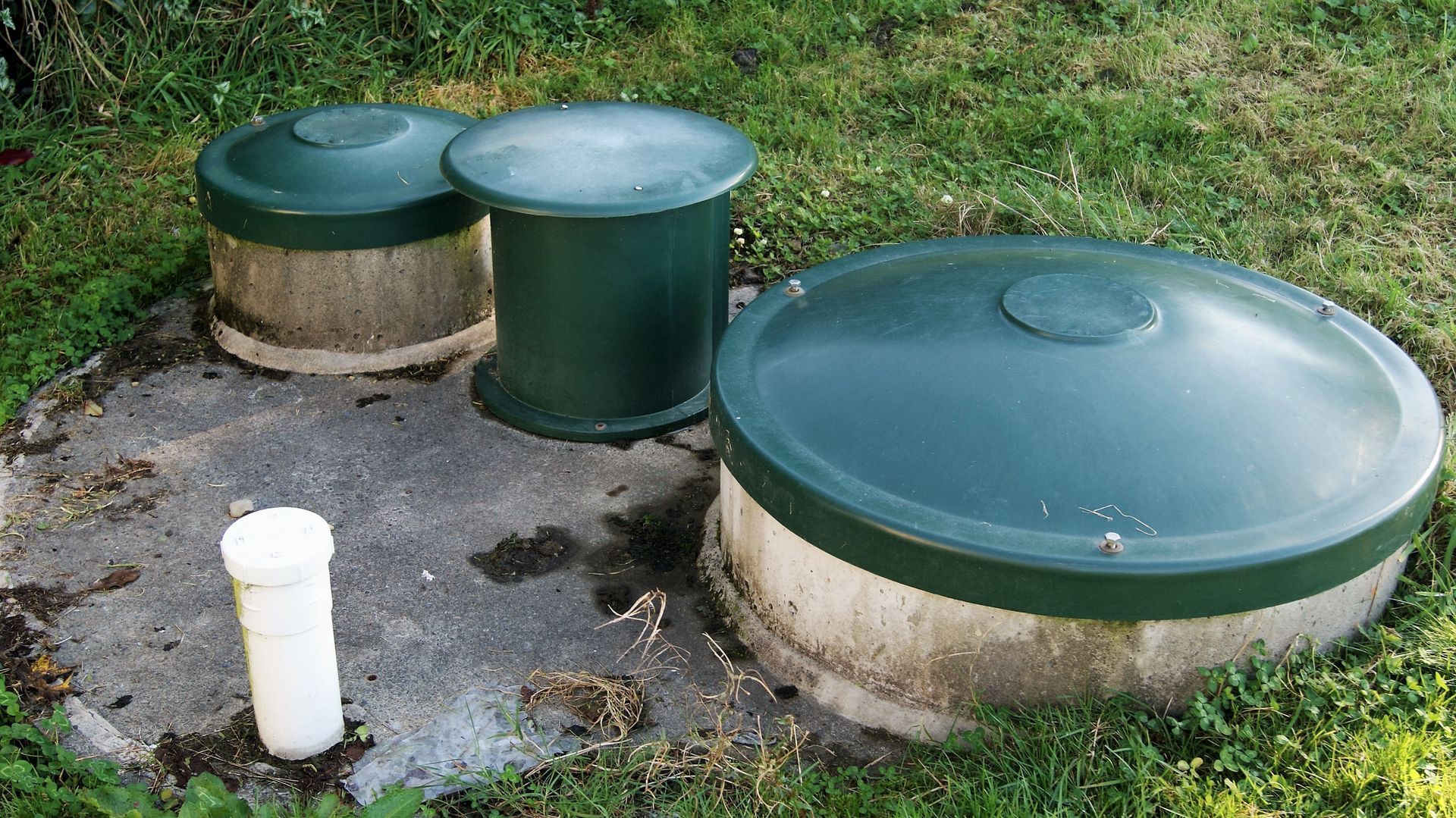
The typical septic system is composed of a septic tank, a drain field, and the soil surrounding these components, each playing a unique role. The septic tank stores wastewater temporarily, allowing for the separation of solids. The solids either settle to the bottom as sludge or rise to the top as scum, while the liquid flows out.
After leaving the septic tank, the wastewater enters the drain field, which acts as a filtration system. It allows the liquid waste to percolate into the ground, cleansing it before it reaches the groundwater. This process relies heavily on natural bacterial activity to disinfect the water.
The system’s surrounding soil is crucial as it acts as a natural treatment layer, further filtering water before it reenters the watershed as clean groundwater. Without appropriate functionality of all these parts, the system fails, leading to risks of contamination and failure. Awareness of these components reinforces the need for specialized maintenance.
Common Septic System Issues
Septic systems can face a variety of issues, primarily due to improper maintenance or excessive usage. Overloading the system with water or solid waste quickly leads to inefficiencies. Blockages within the pipes can prevent proper water flow, leading to backups within the home or yard.
Leakages within any part of the system can significantly hinder its overall effectiveness. This may result from physical damage, such as tree roots penetrating pipes, or chemical imbalances affecting the tank’s bacterial ecosystem. These issues can often escalate before detection, hence the importance of regular inspections.
Moreover, improper waste disposal—such as flushing non-biodegradable items—can clog the system. Chemicals and harsh cleaners can disrupt bacterial activity, impacting waste breakdown. These problems underline the critical need for vigilance and regular upkeep through septic pumping and cleaning.
Signs of Septic Problems
Detecting septic system issues early can prevent major failures and expensive repairs. Common signs of problems include unpleasant odors around the home or yard, slow drains, and unusual water pooling. These symptoms indicate that sewage or wastewater isn’t being processed correctly.
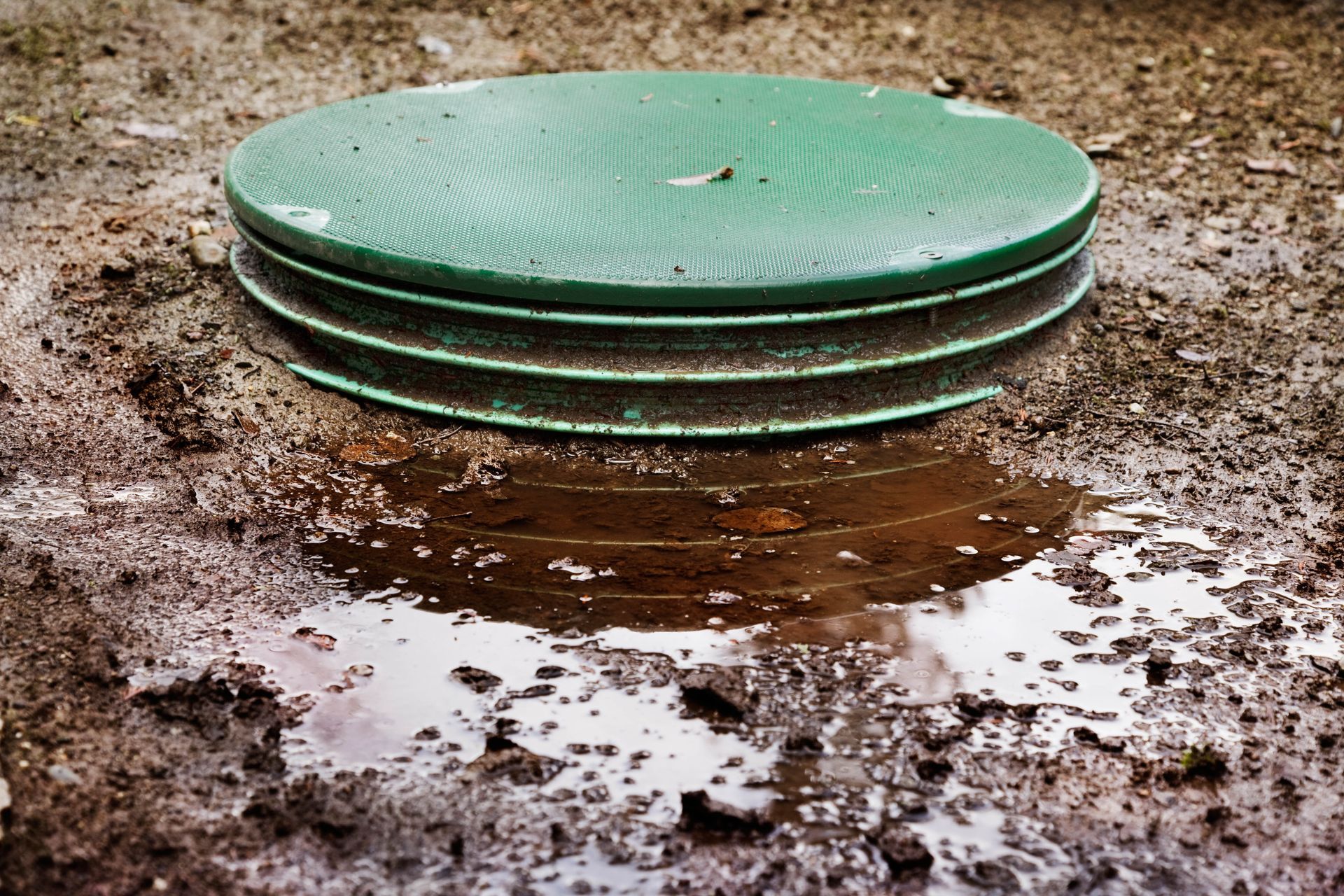
Bubbling sewer gasses and backups in plumbing systems are more severe indications of septic issues. If water begins to pool around the septic system area, it could signify drain field failure. Grass growing greener or faster around the septic tank indicates that untreated sewage is seeping into the ground.
Consistent system monitoring and understanding these subtle signs are crucial tactics for early intervention. Homeowners should also schedule routine checks, even if there are no evident issues. This helps maintain environmental safety and longevity for homes relying on septic systems.
Importance of Regular Maintenance
Routine maintenance is the cornerstone of septic system longevity and performance. Neglecting this can result in blockages, overflowing, or systemic failure. Maintenance primarily involves regular inspections, pumping, and adherence to recommended guidelines for waste disposal.
Regular pumping clears out the solid build-up from septic tanks, ensuring efficient system operation. Establishing a maintenance schedule tailored to the household’s needs safeguards against unexpected failures. Professional inspections reveal potential issues that homeowners might overlook.
The cost of regular maintenance pales in comparison to the expenses of replacing or significantly repairing a neglected system. Furthermore, maintaining a septic system preserves property value and environmental quality. Consistent maintenance proves beneficial for every stakeholder involved.
What is Septic Pumping?
Definition and Purpose
Septic pumping involves the removal of the accumulated liquid and floating scum from a septic tank. Its primary purpose is to free space within the tank for new wastewater, ensuring effective treatment within the system. In essence, pumping serves as a method of resetting the septic tank, mitigating potential overflow.
This process alleviates the system's burden by removing the contents necessitating additional breakdown. It safeguards against clogging, which can lead to sewage backflow or ineffective water processing. Additionally, it extends the life of the drain field by preventing excess waste from reaching it.
For those in the remaining 13.9% of U.S. homes relying on septic systems, regular pumping can prevent substantial problems. Without it, homeowners face the risk of untreated sewage seeping into the environment. Thus, it remains indispensable for sustainable and effective system operation.
The Process of Septic Pumping
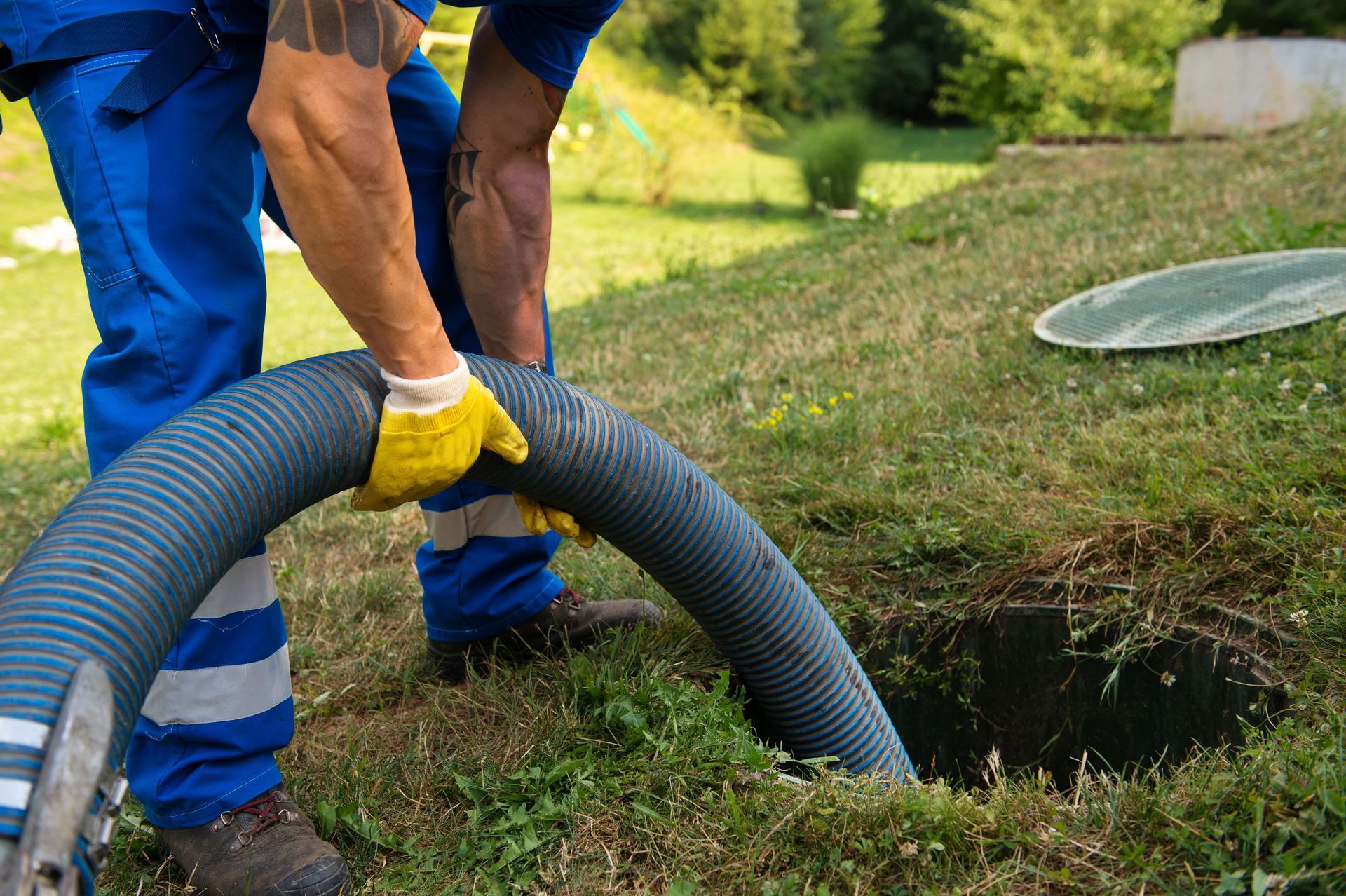
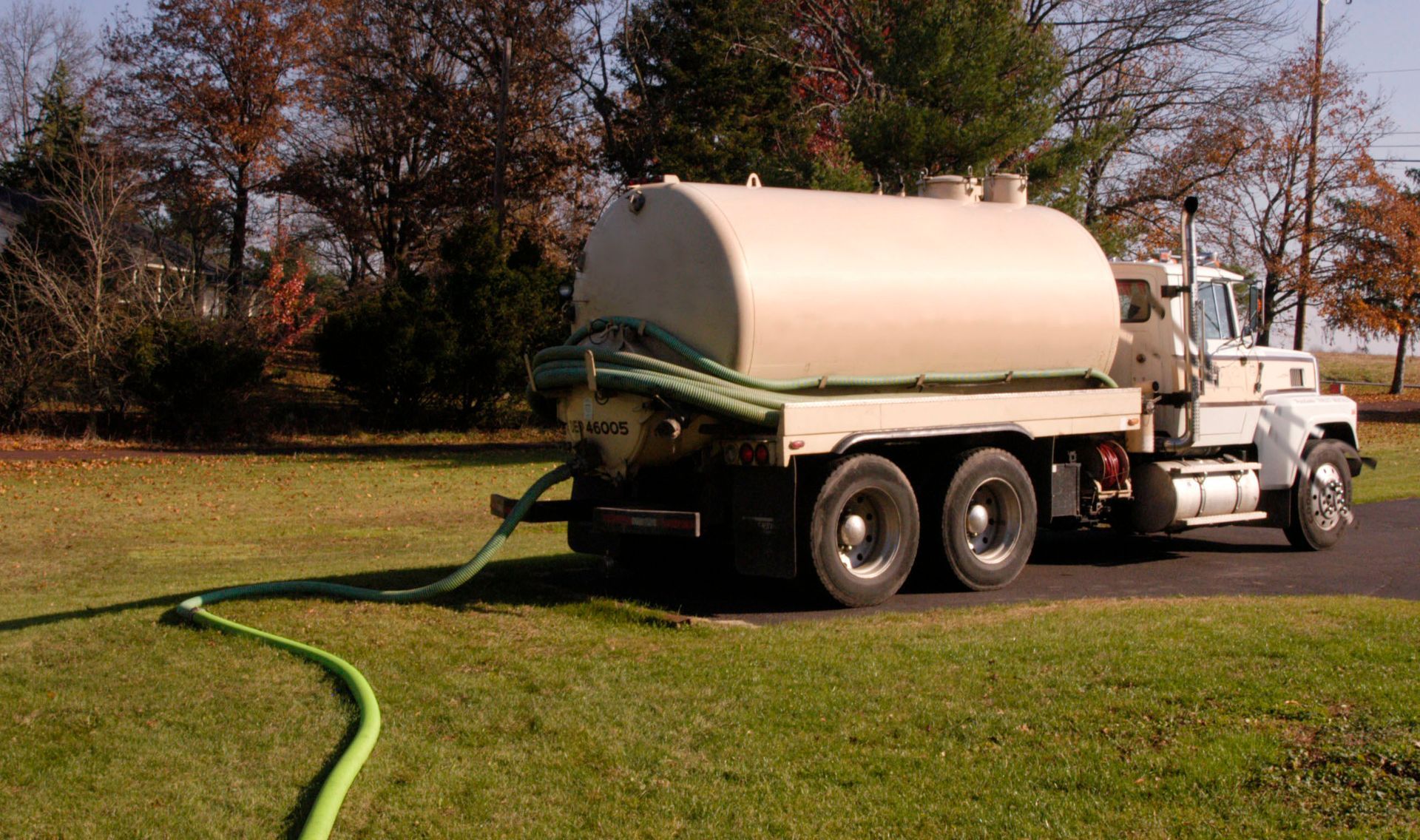
The process of septic pumping involves the use of a vacuum truck equipped with a large storage tank. Technicians connect the truck to the septic tank through long, durable hoses. The vacuum system extracts the liquid and floating scum, depositing it into the storage tank for transport.
Professional service providers start by locating and uncovering the septic tank lids. Depending on the tank's size and accumulated waste, this process can take anywhere from one to several hours. Afterward, technicians perform a brief inspection of the tank's condition.
This procedure concludes by sealing the tank and restoring the landscape. Pumping service providers then transport the collected waste to a designated treatment facility for environmentally responsible disposal. The process is efficient and critical for preserving septic system health.
Frequency of Pumping
The frequency with which a septic system needs pumping largely depends on the household size and the tank's capacity. As a general guideline, most septic tanks require pumping every three to five years. Larger households may necessitate more frequent pumping due to increased wastewater production.
When considering frequency, it’s essential to recognize that increased system load equates to higher waste deposit rates. Therefore, homeowners should monitor tank levels and seek professional advice if uncertain about the appropriate schedule. An up-to-date maintenance history aids in accurate planning.
It’s important to err on the side of caution and pump more frequently if needed. Waiting too long between pumps can cause harmful residual effects to both the system and the surrounding environment. Scheduled, regular pumping is a preventative approach promoting long-term system health. Be sure to reach out to Abracadabra Septic Pumping today to learn more about our professional septic pumping service!