October 15, 2026
A septic system plays an important role in managing household wastewater, making regular care essential for its long-term performance. Everyday habits can influence how well the system handles waste and how frequently maintenance may be needed.
Simple steps, such as conserving water, disposing of waste properly, and watching for warning signs, can help homeowners avoid unnecessary strain on their systems. Understanding how household activities affect wastewater flow also makes it easier to recognize when changes are needed. Routine inspections and professional maintenance can help identify developing concerns before they become more disruptive.
Homeowners who follow consistent care practices can support the performance of their septic systems over time. Because these systems operate largely underground, preventive attention is especially valuable. Learning which habits make a difference can help property owners protect their investment and manage household wastewater responsibly.
Conserving Water Throughout the Home
Managing household water use is one of the simplest ways to reduce strain on a septic system. Every time water enters a drain, it travels into the system for treatment and disposal. Excessive water use over a short period can overwhelm the tank and reduce the time available for solids to settle. Fixing leaking faucets, running washing machines only with appropriate loads, and choosing efficient fixtures can help limit unnecessary water consumption. Spreading laundry loads across several days may also prevent large amounts of water from entering the system at once. Homeowners can encourage family members to take shorter showers and turn off taps when water is not needed. These habits help balance daily wastewater flow with the system's capacity. Consistent water conservation can support more reliable operation over time.
Disposing of Household Waste Properly
What enters household drains can affect the condition and performance of a septic system. Toilets should generally be used only for human waste and toilet paper designed to break down in wastewater systems. Items such as wipes, paper towels, cotton swabs, and hygiene products can contribute to clogs or accumulate in the tank.
Cooking grease and oils should not be poured down kitchen drains because they can solidify and interfere with plumbing. Food scraps should be kept out of drains, even when a garbage disposal is available. Harsh chemicals should also be used cautiously because some products may disrupt the biological processes that help treat wastewater. Using trash bins for unsuitable materials is a straightforward way to reduce problems. Careful disposal habits help protect plumbing and the septic system as a whole.
Scheduling Routine Septic Maintenance
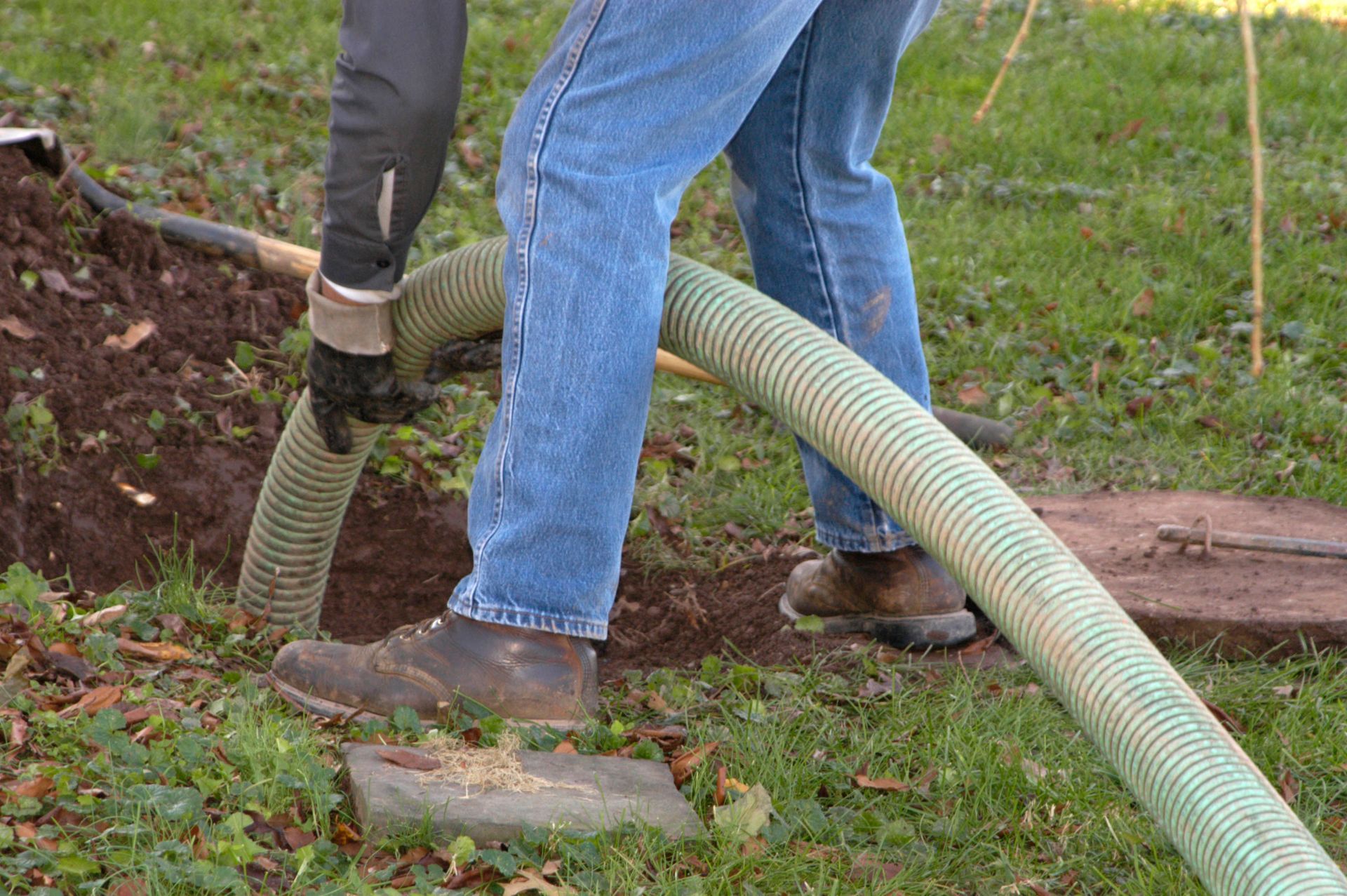
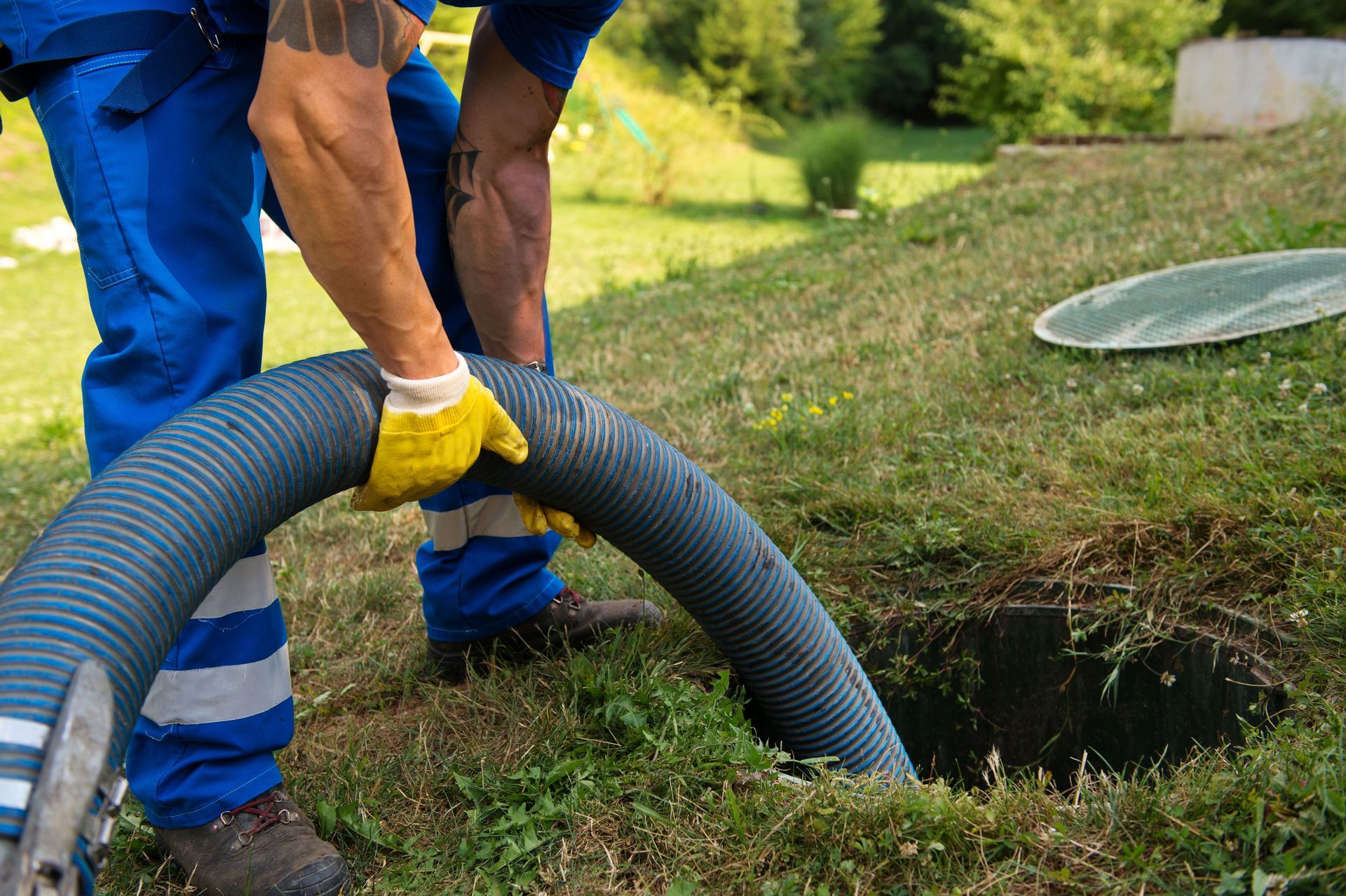
Regular maintenance is important for keeping a septic system operating as intended. Over time, solid waste accumulates in the tank and may need to be removed to prevent excessive buildup. According to This Old House, more than 25% of people in the United States rely on septic systems to manage wastewater, making proper system care relevant to many households. The appropriate maintenance schedule depends on factors such as tank size, household occupancy, water usage, and the amount of solids entering the system. Waiting until a problem becomes obvious may allow preventable issues to develop. Professional septic pumping services can help remove accumulated solids when pumping is needed. Homeowners should keep records of maintenance visits and follow recommendations based on their system's condition. A consistent schedule can help reduce the likelihood of avoidable disruptions.
Protecting the Drain Field
The drain field is a vital part of a septic system because it helps disperse treated wastewater into the surrounding soil. Protecting this area can support the system's ability to function properly. Heavy vehicles, construction equipment, and repeated traffic should be kept away from the drain field because they may compact soil or damage buried components. Homeowners should avoid building structures or installing patios over the area unless a qualified professional confirms that the planned use is appropriate. Deep-rooted trees and shrubs should also be positioned carefully because roots can interfere with underground pipes. Grass can generally provide suitable ground cover without the same root concerns as larger plants. Surface water from gutters and drainage systems should be directed away from the drain field. Keeping this area protected can help maintain proper wastewater absorption.
Recognizing Early Warning Signs
Paying attention to changes in plumbing performance can help homeowners identify septic system concerns early. Slow drains throughout the home may indicate a developing problem rather than an isolated clogged pipe. Gurgling sounds, unpleasant odors near drains or the tank, and wastewater backups should also be taken seriously.
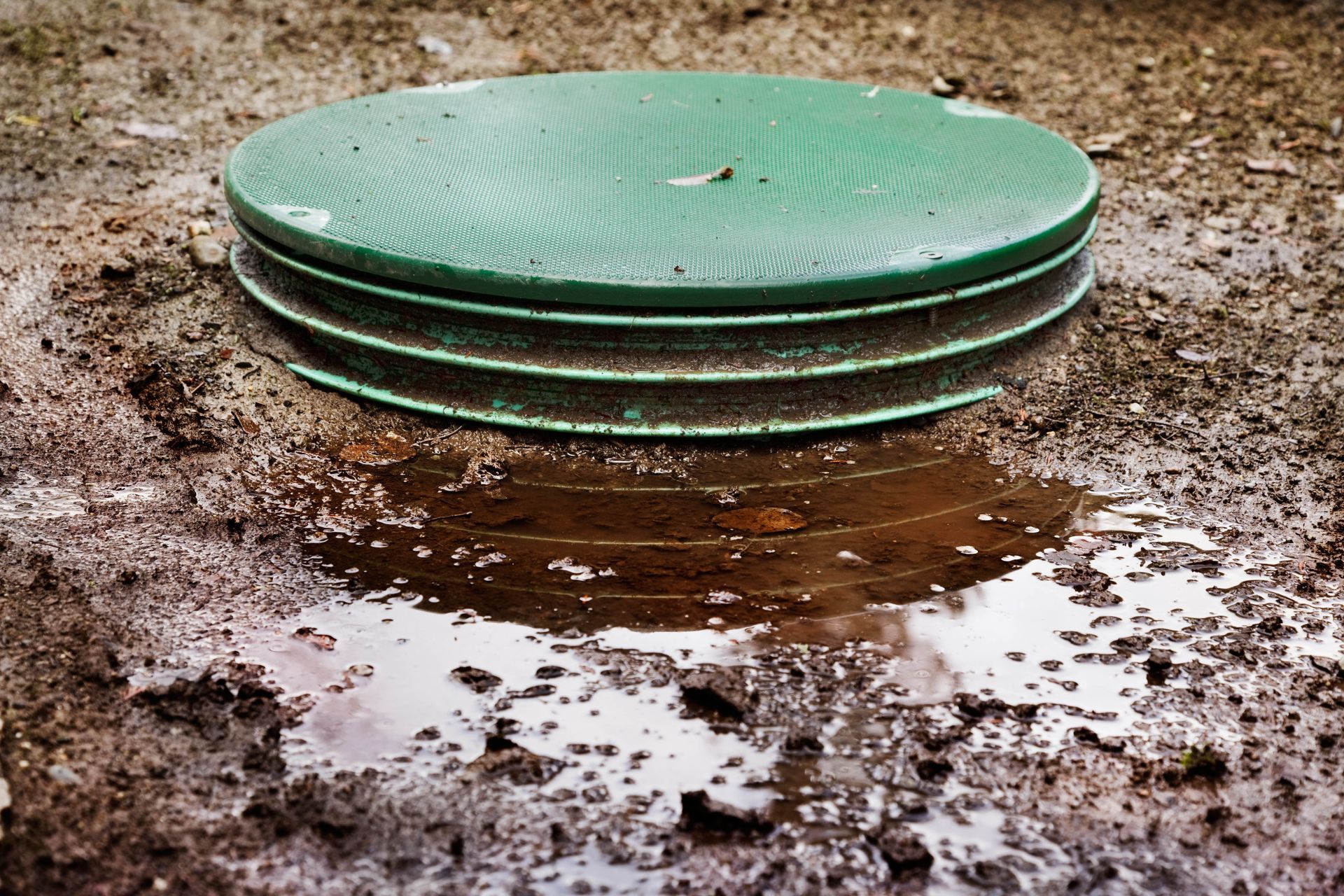
Wet or unusually green patches over the drain field can sometimes signal that wastewater is reaching the surface. These symptoms can have different causes, so they should not automatically be treated as proof of a full tank. Homeowners should avoid repeatedly flushing water or using chemical drain cleaners to address symptoms without understanding the cause. Prompt assessment can help determine whether the issue involves household plumbing, the tank, or another system component. When warning signs appear, septic pumping services may be one option to discuss with a qualified professional, depending on the cause. Recognizing warning signs early may prevent a minor concern from becoming more disruptive.
Limiting Harmful Household Chemicals
Septic systems rely on naturally occurring microorganisms to help break down organic waste. Introducing excessive amounts of certain chemicals can interfere with these biological processes. Household cleaners should be used according to their labels, and large quantities should not be poured into drains unnecessarily. Paint, solvents, pesticides, motor oil, and other hazardous substances should never be disposed of through household plumbing. These materials can affect wastewater treatment and may contaminate the surrounding environment. Homeowners should follow local guidance for disposing of chemicals and other hazardous products. Routine cleaning does not require excessive amounts of disinfectants or specialty drain treatments. Thoughtful product use helps maintain a more balanced environment within the septic tank.
Managing Landscaping and Outdoor Drainage
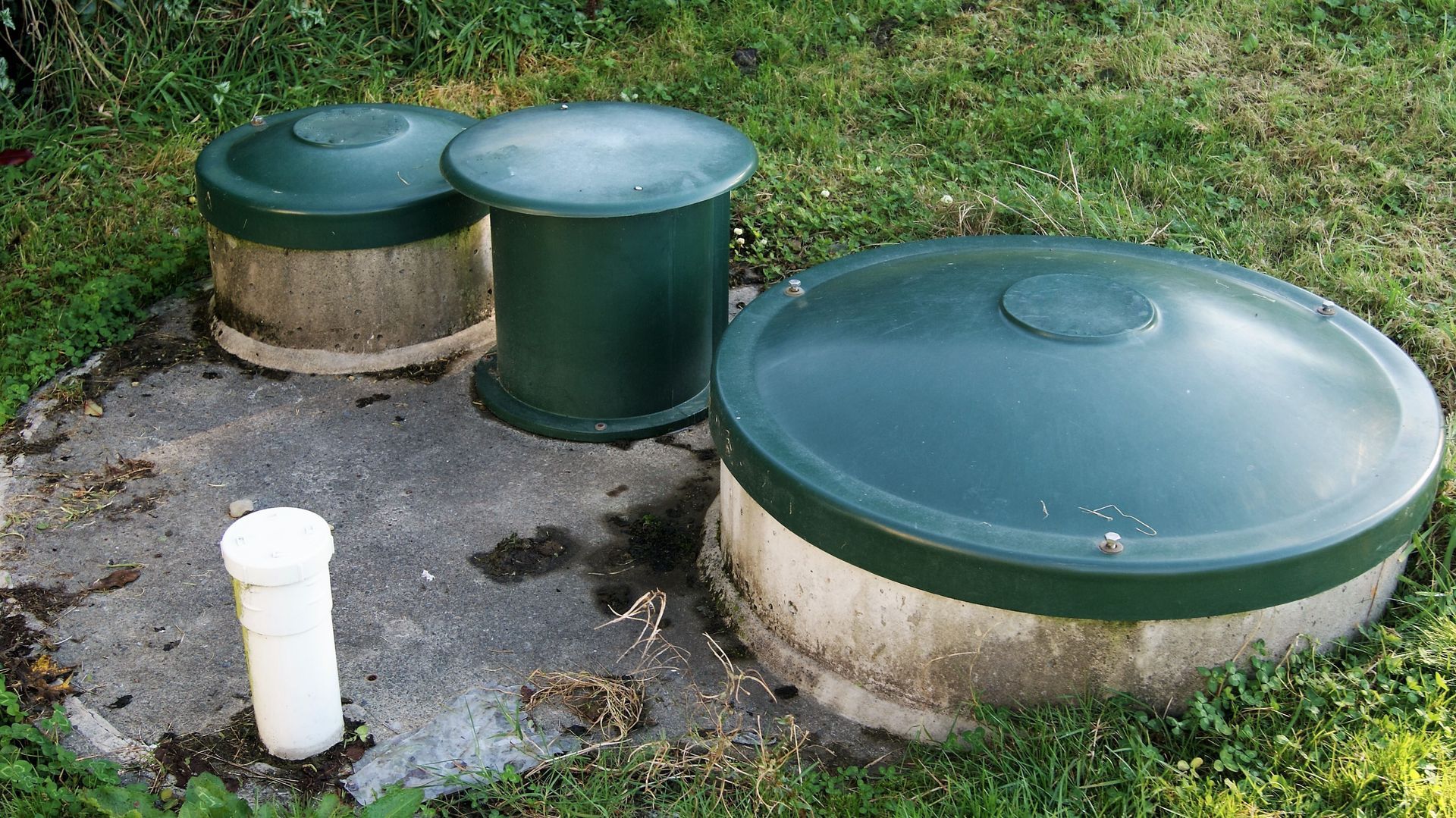
Conditions around a septic system can influence its long-term performance. Excess rainwater and runoff should be directed away from the tank and drain field to prevent the soil from becoming overly saturated. When soil remains saturated, it may not absorb wastewater as effectively. Homeowners should inspect outdoor drainage patterns and address areas where water regularly collects near septic components. Landscaping changes should be planned with the location of underground pipes and the drain field in mind. Deep digging, grading, or planting large trees near the system can damage components or interfere with wastewater distribution. Keeping the area accessible also makes septic pumping services easier. Thoughtful landscaping can protect buried components while helping the yard remain functional and attractive.
Keeping Accurate System Records
Maintaining records can make septic care more organized and predictable. Homeowners should document pumping dates, inspection findings, repairs, and recommendations from service providers. These details can help establish a maintenance history and make it easier to determine when the next inspection or pumping may be appropriate. Records can also help identify recurring concerns, such as frequent backups or repeated drainage problems. If a property changes ownership, this information can give the new owner a clearer understanding of the system's condition.
Keeping a basic diagram showing the tank and drain field locations can also help prevent accidental damage during outdoor projects. Accurate records can help homeowners plan septic pumping services according to the system's maintenance history and professional recommendations. Important paperwork should be stored somewhere accessible when service is needed. Organized records support informed decisions about maintaining the system throughout its lifespan.
Extending the life of a septic system begins with consistent household habits and attention to maintenance needs. Conserving water, disposing of waste correctly, protecting the drain field, and responding to warning signs can all help reduce unnecessary strain. Homeowners should also follow professional recommendations because every system has different requirements based on its design and usage.
Keeping maintenance records and arranging service when needed can make long-term care easier to manage. Abracadabra Septic Pumping can help property owners address their septic maintenance needs and determine when professional service may be appropriate. Whether a system needs routine attention or an assessment of a developing concern, discussing the available options can help homeowners make informed decisions. Contact Abracadabra Septic Pumping to discuss your system's condition and arrange septic pumping services to help keep it operating properly.