July 20, 2026
Owning a home comes with many ongoing maintenance responsibilities, but few are as crucial to your daily comfort and sanitation as managing your waste system. For properties that operate on an independent waste framework, understanding how to keep everything running smoothly is essential for preventing major disruptions. Many people do not think about what happens after water goes down the drain until a major backup occurs, but waiting for a crisis can lead to expensive fixes and property damage. Staying ahead of potential issues requires a basic understanding of your system components and a commitment to routine care. Proper care ensures that your household plumbing operates efficiently without creating unpleasant odors or hazardous situations in your yard. By learning the fundamentals of property maintenance, you can protect your investment and keep your household functioning without interruption.
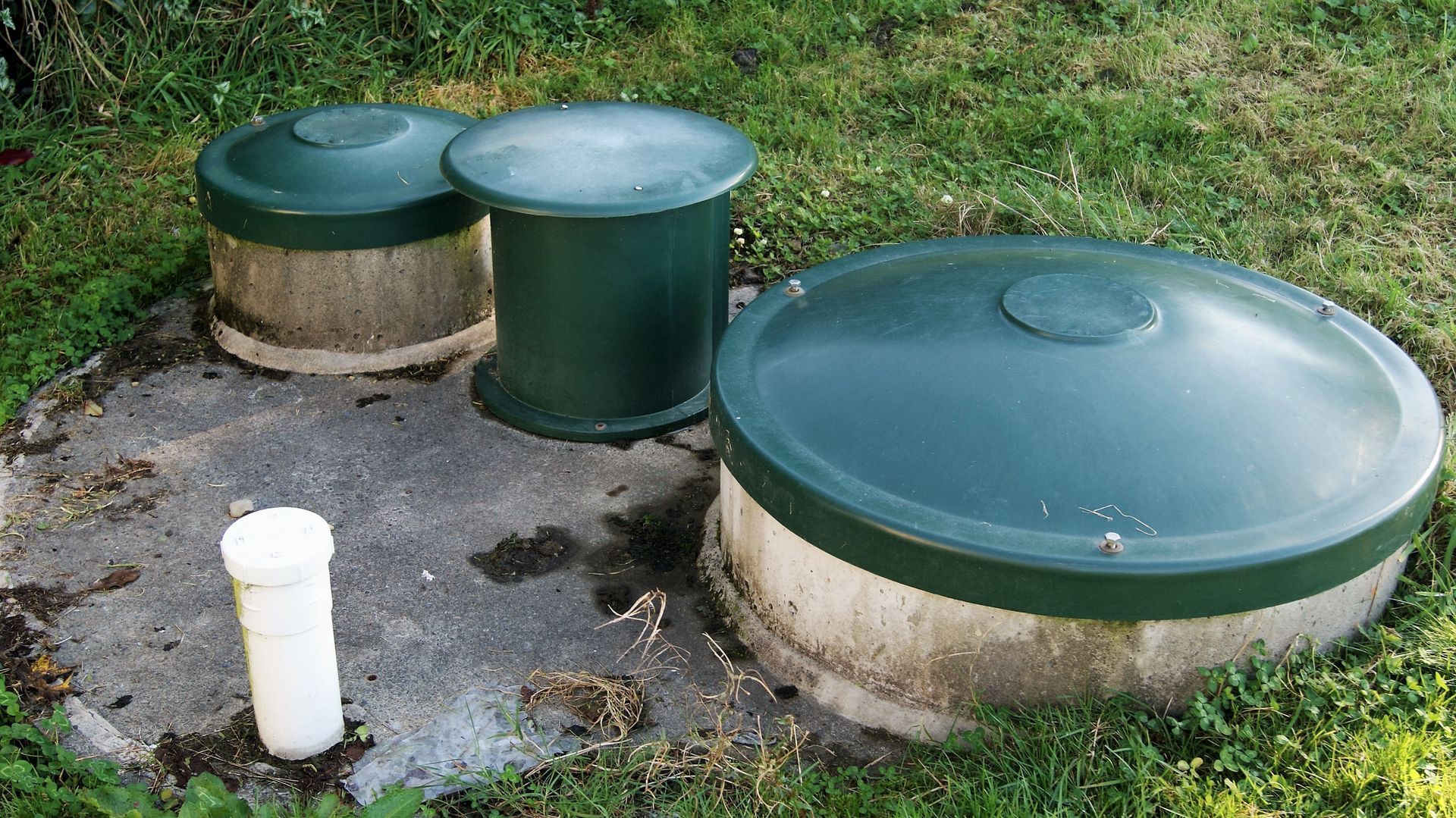
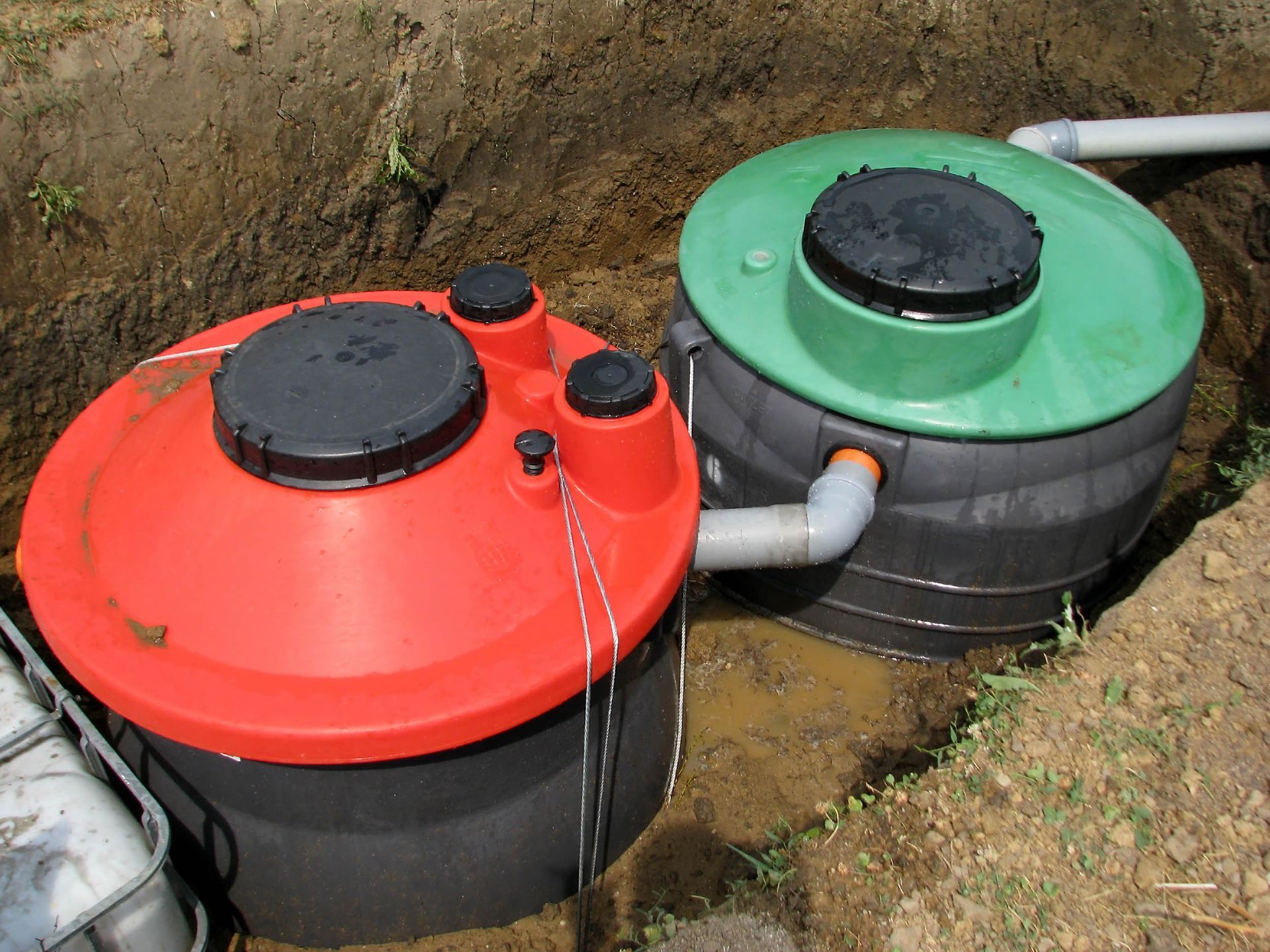
Managing an independent waste framework involves understanding how different elements work together to process household water. Every time you run the washing machine, flush a toilet, or wash dishes, that water travels out of your house and into a dedicated underground holding zone. Inside this zone, natural processes work to break down organic materials, while solids settle to the bottom and lighter scum floats to the top. Over time, the accumulated solids build up and require professional extraction to ensure the system does not overflow or experience structural failure. Regular care helps maintain the delicate balance required for natural decomposition while clearing out the heavy materials that cannot break down on their own. Homeowners who prioritize this aspect of property management enjoy reliable plumbing and avoid sudden emergencies.
Understanding System Operation
To appreciate the value of routine maintenance, it helps to understand exactly what occurs beneath your lawn every single day. According to The Spruce, most home septic tanks hold between 1,000 and 1,500 gallons, though sizes can range from 750 to 1,750 gallons. This massive holding area is designed to manage several days of intense water usage, allowing solids to separate from liquid safely. As new wastewater enters from the house, an equal amount of cleared liquid pushes out into a dedicated filtration zone in your yard. If the accumulation of solid waste at the bottom becomes too dense, the holding area loses its capacity to process incoming water efficiently. This lack of space causes solids to pass directly into the filtration zone, which quickly leads to clogs and soil saturation. Scheduling timely septic pumping prevents this solid buildup from ever reaching the sensitive filtration fields outside the main holding area.
Every household generates a unique amount of waste based on daily habits, family size, and the types of appliances in use. A larger family naturally fills the underground holding area much faster than a single occupant or a retired couple. Even if you are extremely careful about what goes down the drains, solid materials will inevitably gather at the bottom of the structure. This gathering is a completely normal part of the system lifecycle and simply requires periodic mechanical removal to restore full capacity. Without proper septic pumping, the heavy sludge layer continues to thicken until it interferes with the natural flow of incoming household plumbing. By understanding how these dimensions and volumes impact your daily routine, you can better anticipate when it is time to bring in professional assistance.
Recognizing Warning Signs
Many homeowners wonder how they can tell when their underground waste system is reaching its maximum capacity before an actual emergency occurs. One of the most common indicators that your property needs immediate attention is the presence of sluggish drains throughout the lower levels of the house. If multiple sinks, showers, and toilets begin draining slowly at the same time, the bottleneck is likely located in the main exterior line. Another clear indicator is the sudden appearance of strange gurgling noises echoing from your pipes after you run a major water appliance. These sounds indicate that trapped air is struggling to escape past a rising layer of solids in the main holding structure. Arranging for septic pumping at the first sign of these sluggish drains can prevent a minor inconvenience from turning into a total household backup.
The exterior of your property can also provide valuable clues about the condition of your underground waste infrastructure. Walking across your lawn can reveal soggy patches of soil or unusually lush, vibrant green grass directly over the holding area. While beautiful grass sounds positive, it often means wastewater is rising too close to the surface because the internal capacity is full. You might also notice distinct, unpleasant odors wafting through the yard during warm days or after heavy periods of rainfall. These foul scents indicate that gases are escaping because the system can no longer contain the volume of waste inside. Ignoring these environmental warning signs typically leads to structural damage that requires far more extensive corrections than a standard septic pumping service.
Implementing Preventative Habits
While mechanical cleanings are necessary, your daily household habits play a massive role in how frequently you need professional interventions. Being mindful of what enters your plumbing lines can drastically extend the lifespan of your system and keep your maintenance costs manageable. Kitchen grease, cooking oils, and heavy coffee grounds should never be rinsed down the kitchen sink under any circumstances. These substances solidify as they cool, binding with other solids to create thick layers that resist natural bacterial breakdown. Additionally, household chemical cleaners, bleach, and strong antibacterial soaps should be used sparingly to avoid killing the beneficial bacteria that digest waste. Combining smart daily drain habits with routine septic pumping creates a balanced environment that keeps your infrastructure operating without major disruptions.
The type of paper products you introduce to your toilets also dictates how quickly the solid sludge layer builds up underground. Standard bathroom tissue dissolves quickly in water, but heavy wipes, facial tissues, and feminine products do not break down efficiently. These non-biodegradable items float in the holding zone, blocking entry lines and filling up valuable storage space much faster than normal. Educating every member of your household about proper disposal habits keeps unnecessary waste out of your underground infrastructure. When you pair these protective habits with scheduled septic pumping, you ensure that the system functions optimally between professional maintenance visits.
Preparing For Service
When the time comes to schedule a maintenance visit, taking a few preparatory steps can ensure the process goes smoothly and efficiently. First, it is helpful to know the exact location of your underground structural access lids to save time during the arrival of the service crew. If your yard has undergone landscaping changes, the access points might be buried beneath a thin layer of soil or decorative mulch. Clearing away vegetation, lawn ornaments, or patio furniture from the general area allows the service vehicles to position themselves correctly. Knowing the history of your property, including the last date of service, also helps the technicians evaluate the current state of your system. Thorough preparation ensures that the septic pumping process can be completed quickly, minimizing any temporary disruption to your household routine.
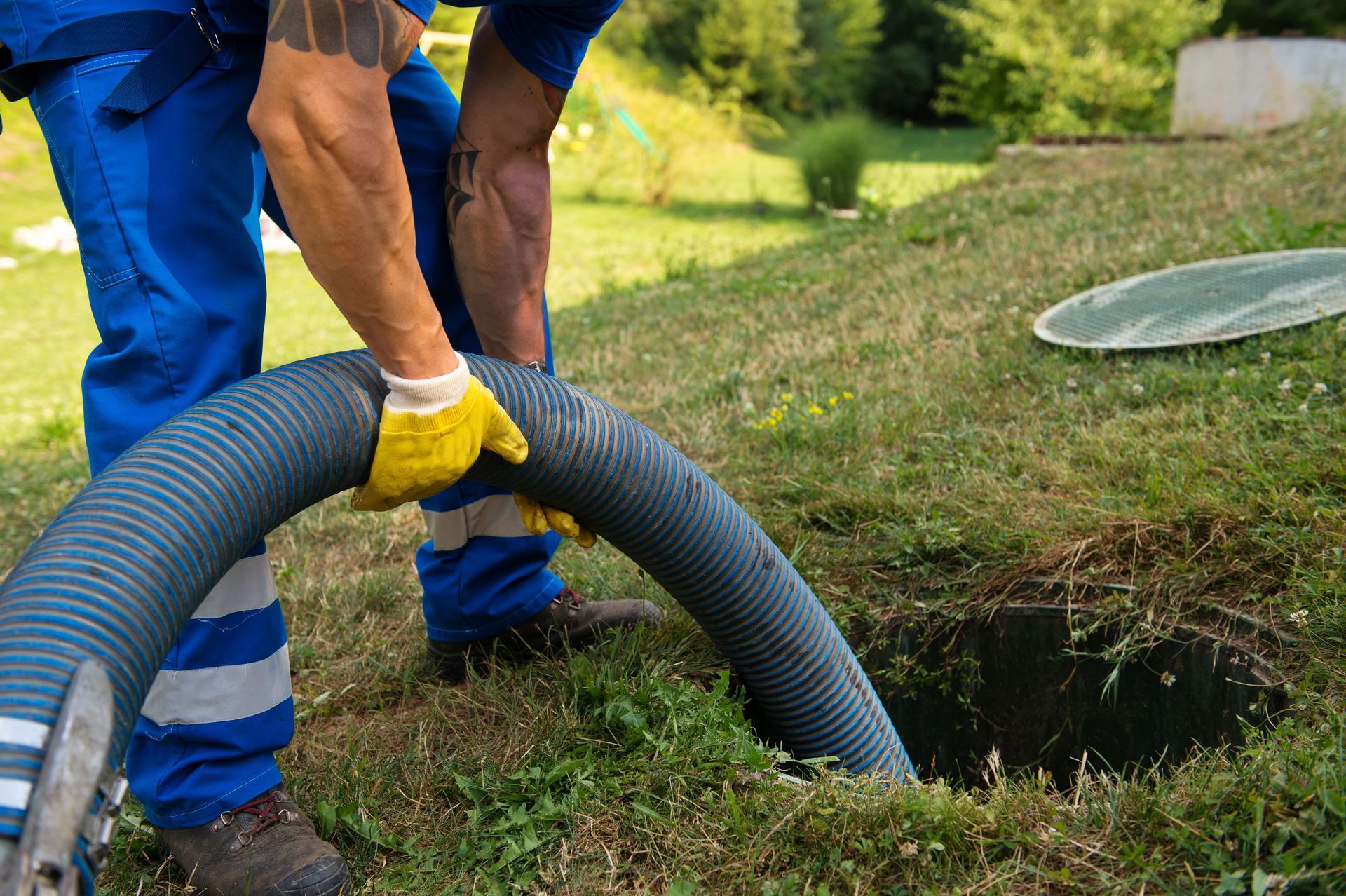
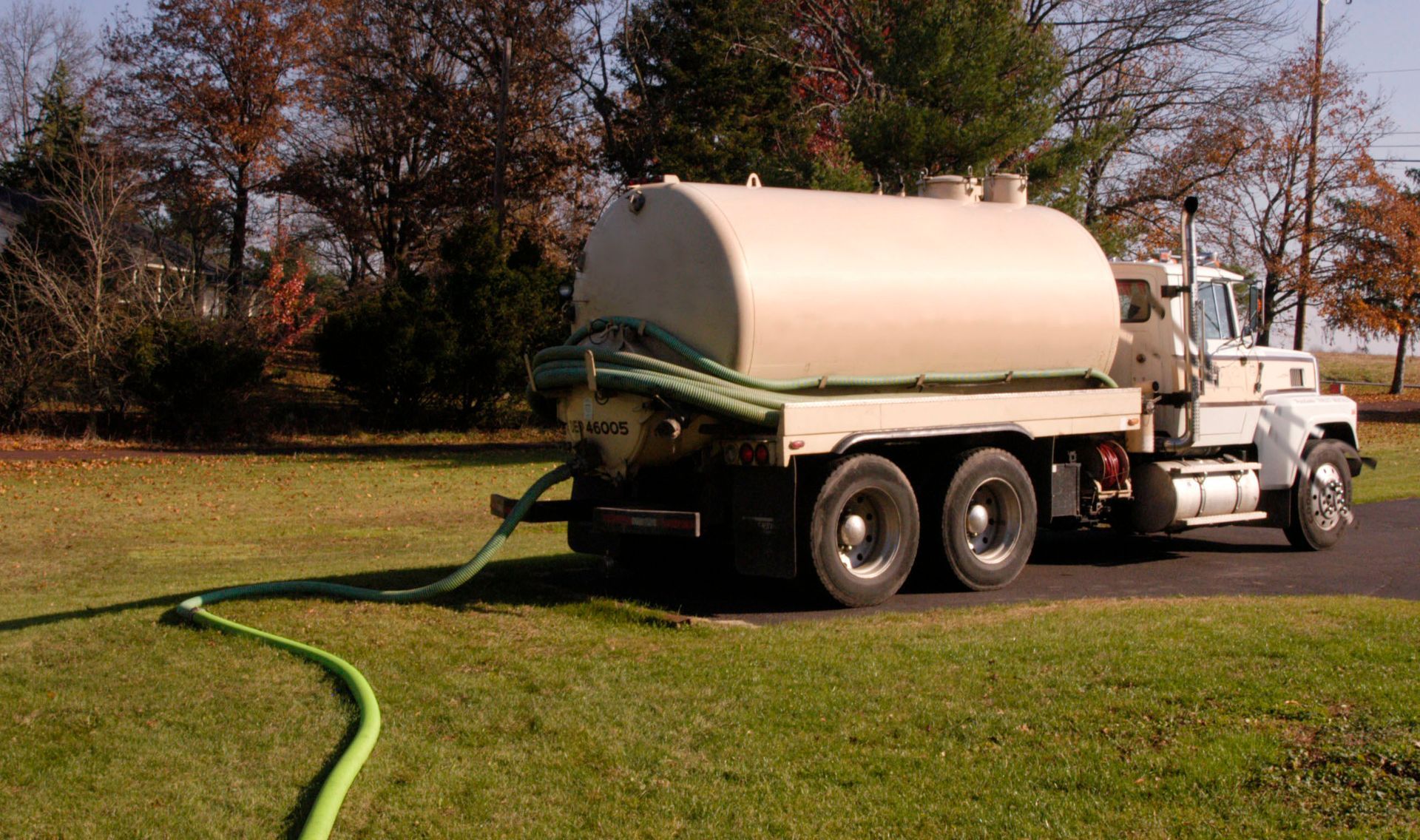
During the actual service visit, professional technicians will utilize specialized vacuum equipment to extract all accumulated liquids and solids completely. This thorough cleaning allows the technicians to inspect the interior walls and baffles for any signs of physical wear or structural degradation. Finding small structural flaws early allows you to address minor repairs before they escalate into complete system failures. A complete cleanout also resets the holding capacity of your property, giving you peace of mind for several years to come. Routine
septic pumping is a comprehensive health check for one of your home's most vital infrastructure components. Investing a little time into preparation makes the entire maintenance experience seamless.
Maintaining a functional household requires consistent attention to the invisible systems that keep your property clean, safe, and comfortable. By understanding the capacity of your holding structure and watching for early warning signs, you can avoid unexpected plumbing emergencies entirely. Adopting protective daily habits and scheduling professional interventions ensures that your waste infrastructure continues to serve your family reliably for decades. For homeowners who want to keep their property in top condition, partnering with experienced local specialists is the smartest approach to long-term maintenance. We invite you to contact Abracadabra Septic Pumping serving the Houston, TX area today to schedule your free next-day estimates and keep your system running beautifully.